OVER 75 YEARS OF COMBINED PRACTICE

OVER 75 YEARS OF COMBINED PRACTICE

Juvenile law governs legal matters involving individuals under the age of 18. While many people associate juvenile law with criminal charges, the scope of juvenile court extends beyond traditional offenses.
Common juvenile matters include:
A status offense is conduct that would not be considered illegal if committed by an adult. Examples may include truancy, running away from home, or violating local curfew ordinances.
Because every situation is unique, families often benefit from legal guidance as soon as they learn their child may be under investigation or facing formal charges.

One of the most important aspects of juvenile law is understanding that juvenile proceedings operate differently than adult criminal cases.
The Illinois juvenile justice system is built around the idea that young people can learn from mistakes and become productive members of society. Courts often seek solutions that address the underlying causes of behavior rather than focusing solely on punishment.
Potential rehabilitative measures may include:
While accountability remains important, judges frequently consider a minor’s age, maturity level, family circumstances, and willingness to comply with court requirements.
Juvenile court proceedings generally involve different terminology and procedures than adult criminal cases.
For example:
Despite these differences, juvenile proceedings can still have serious consequences. Legal representation remains critical to protecting a minor’s rights throughout the case.
Many juvenile court records receive greater privacy protections than adult criminal records. While confidentiality rules vary depending on the nature of the offense and the outcome of the case, juvenile matters are often handled with an emphasis on limiting unnecessary public exposure.
However, confidentiality is not automatic in every circumstance. Certain offenses and court proceedings may become accessible under specific legal conditions, making it important for families to understand how records are handled and what future options may be available.
Some parents assume juvenile offenses simply disappear once a child turns 18. Unfortunately, that is not always the case.
Depending on the allegations and outcome, consequences may include:
Court supervision may allow a juvenile to avoid more severe penalties if they successfully complete court-ordered requirements.
Probation often includes conditions such as school attendance requirements, curfew restrictions, counseling participation, drug testing, and regular meetings with probation officers.
Courts may order payment of fines or require reimbursement to victims for damaged property or financial losses.
In more serious cases, a court may order detention or placement in a juvenile facility. These situations often involve allegations of violent conduct, repeat offenses, or significant public safety concerns.
Even when detention is not involved, juvenile charges can affect school disciplinary proceedings, extracurricular participation, athletic eligibility, college admissions, scholarship opportunities, and future employment prospects.
Because the long-term implications can extend far beyond the courtroom, families should take juvenile charges seriously from the beginning.
Every juvenile case presents different challenges. Some of the most common scenarios include:
A first encounter with the juvenile justice system can be overwhelming for both parents and children. Early intervention often provides opportunities to demonstrate accountability while minimizing long-term consequences.
When a juvenile has prior incidents or multiple court appearances, judges may take a closer look at patterns of behavior. Legal representation can help families address concerns while advocating for reasonable and constructive solutions.
Many juvenile cases originate from events that occur at school.
Examples include:
These situations frequently involve both school disciplinary proceedings and juvenile court matters. Coordinating a response to both can be essential for protecting a child’s educational future.
Juveniles may also face allegations involving alcohol, drugs, or driving offenses. In these situations, families often benefit from legal guidance that addresses both juvenile court proceedings and related driving privilege concerns.
Individuals facing underage DUI allegations may also benefit from reviewing our DUI Defense services.
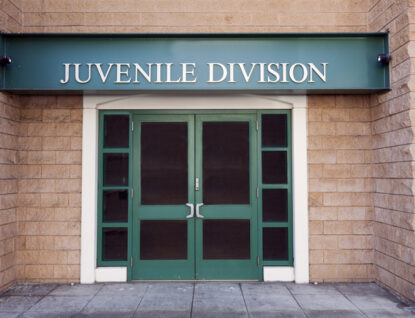
The decisions made during the early stages of a juvenile case can significantly influence the outcome.
Prompt legal involvement may help:
An attorney can also serve as a valuable resource for parents who may be unfamiliar with juvenile court procedures and expectations.
At Essig Law Office, we recognize that juvenile cases involve more than legal issues alone. Families are often concerned about their child’s future, educational opportunities, reputation, and overall well-being.
Our approach may include:
We advocate for minors throughout court proceedings and help families understand each stage of the legal process.
Every case deserves an individualized review. We examine allegations, evidence, procedural issues, and available options to build a strategy tailored to the circumstances.
When appropriate, we may seek alternatives that emphasize rehabilitation and growth rather than unnecessarily harsh penalties.
In some situations, juvenile records may qualify for sealing or expungement. We help families understand eligibility requirements and available legal options for protecting a child's future opportunities.
Juvenile law is closely connected to several areas of criminal defense representation. Depending on the circumstances, families may also benefit from information about:
Understanding how these legal matters intersect can help families make informed decisions when responding to allegations involving minors.
Yes. Certain serious offenses may be classified as felonies even when committed by a minor. The procedures and potential consequences vary based on the allegations and circumstances.
Not necessarily. Some records may remain unless specific legal steps are taken. Eligibility for sealing or expungement depends on the facts of the case and applicable Illinois law.
In many cases, parents or guardians are expected to participate in juvenile proceedings and may play an important role throughout the process.
Yes. A student may face school disciplinary action and juvenile court proceedings arising from the same incident.
When a child faces legal challenges, the actions taken today can affect opportunities tomorrow. Having knowledgeable legal guidance can help families navigate the juvenile justice system while protecting a minor’s rights and future interests.
Located off the Square in Washington, Illinois, Essig Law Office provides representation for families dealing with juvenile law matters and related criminal defense concerns. Call 309-444-8041 today to discuss your situation and learn how our team can help you move forward with confidence.